

 Tiếng Việt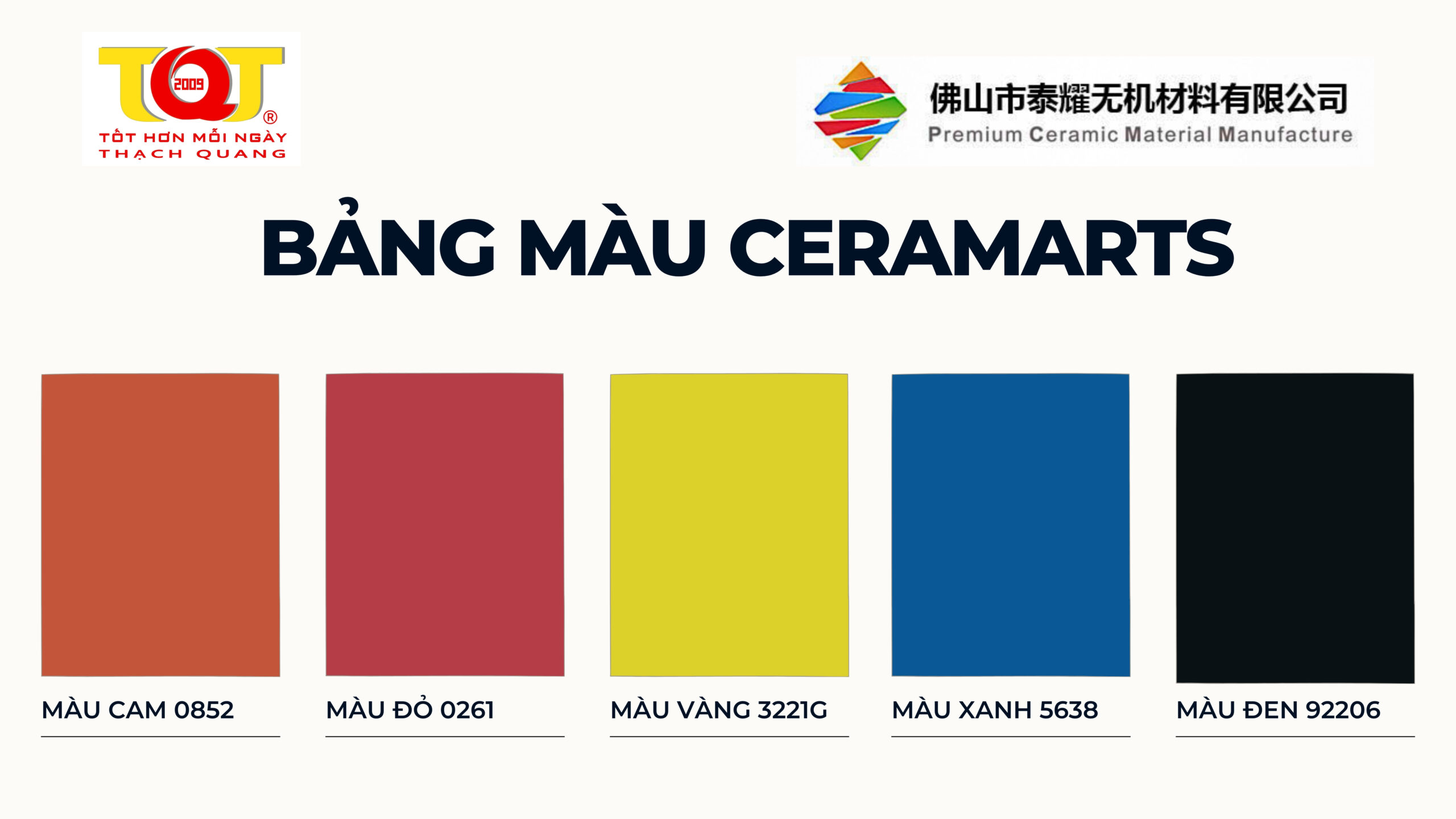

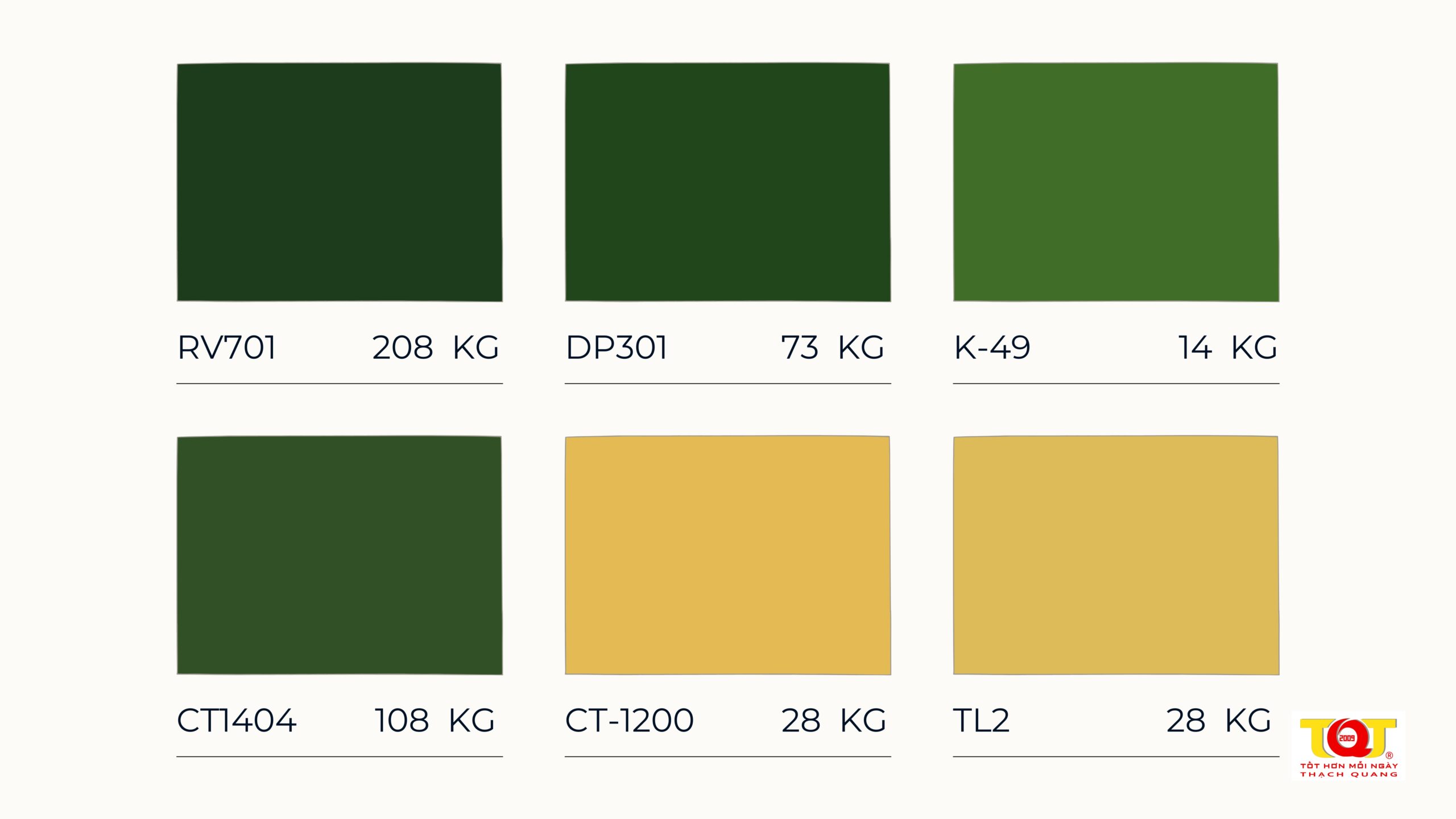
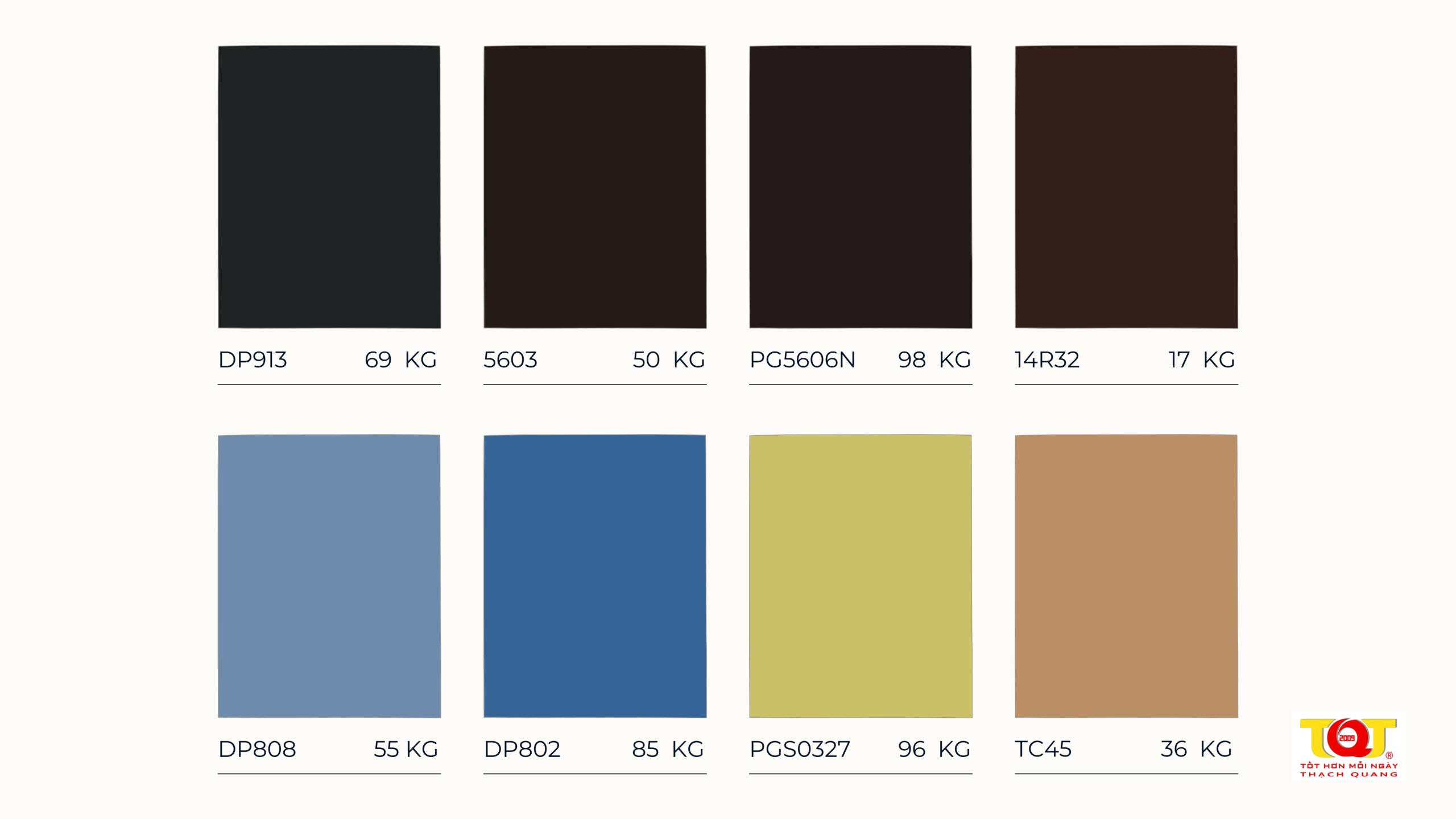
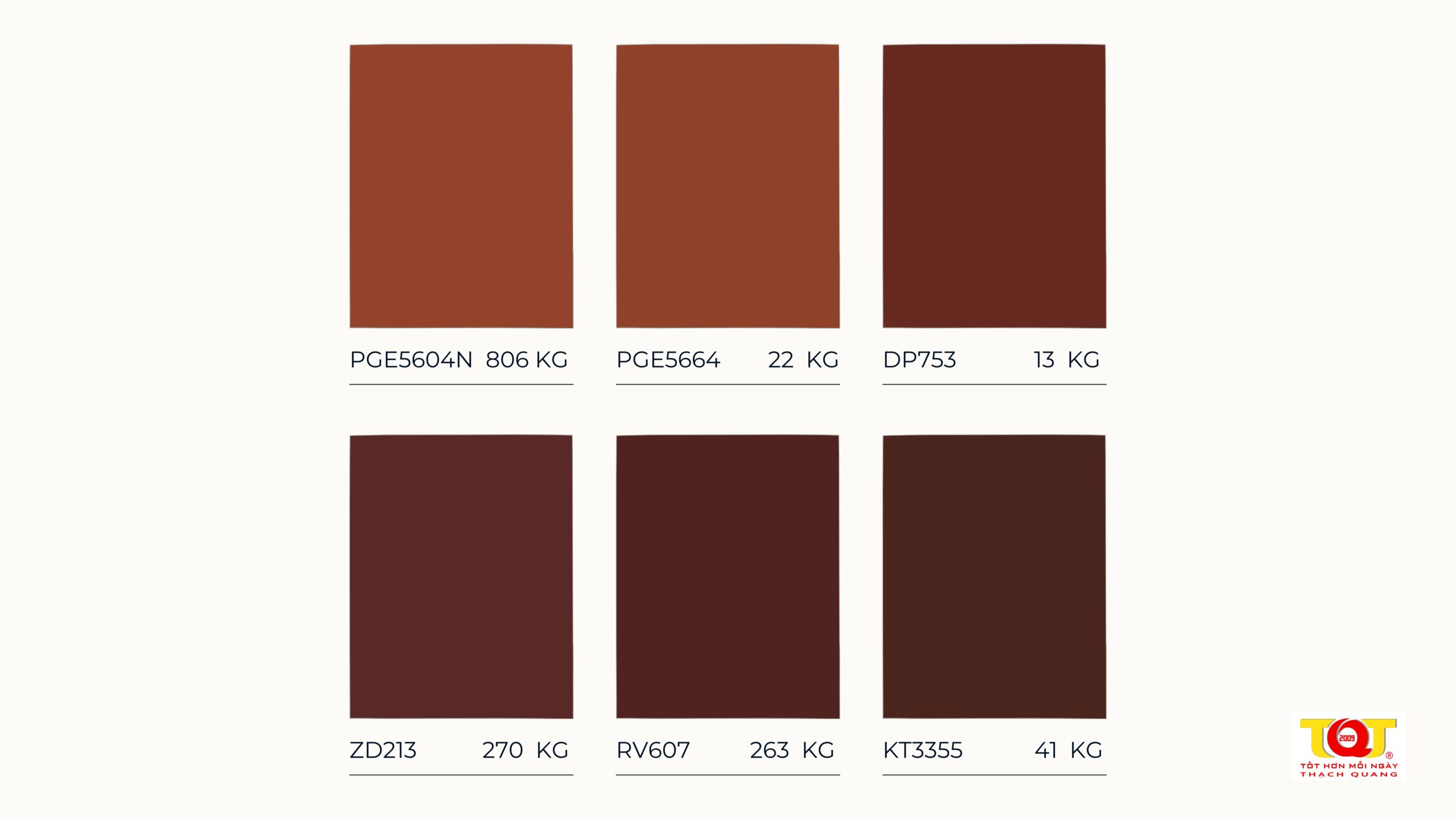
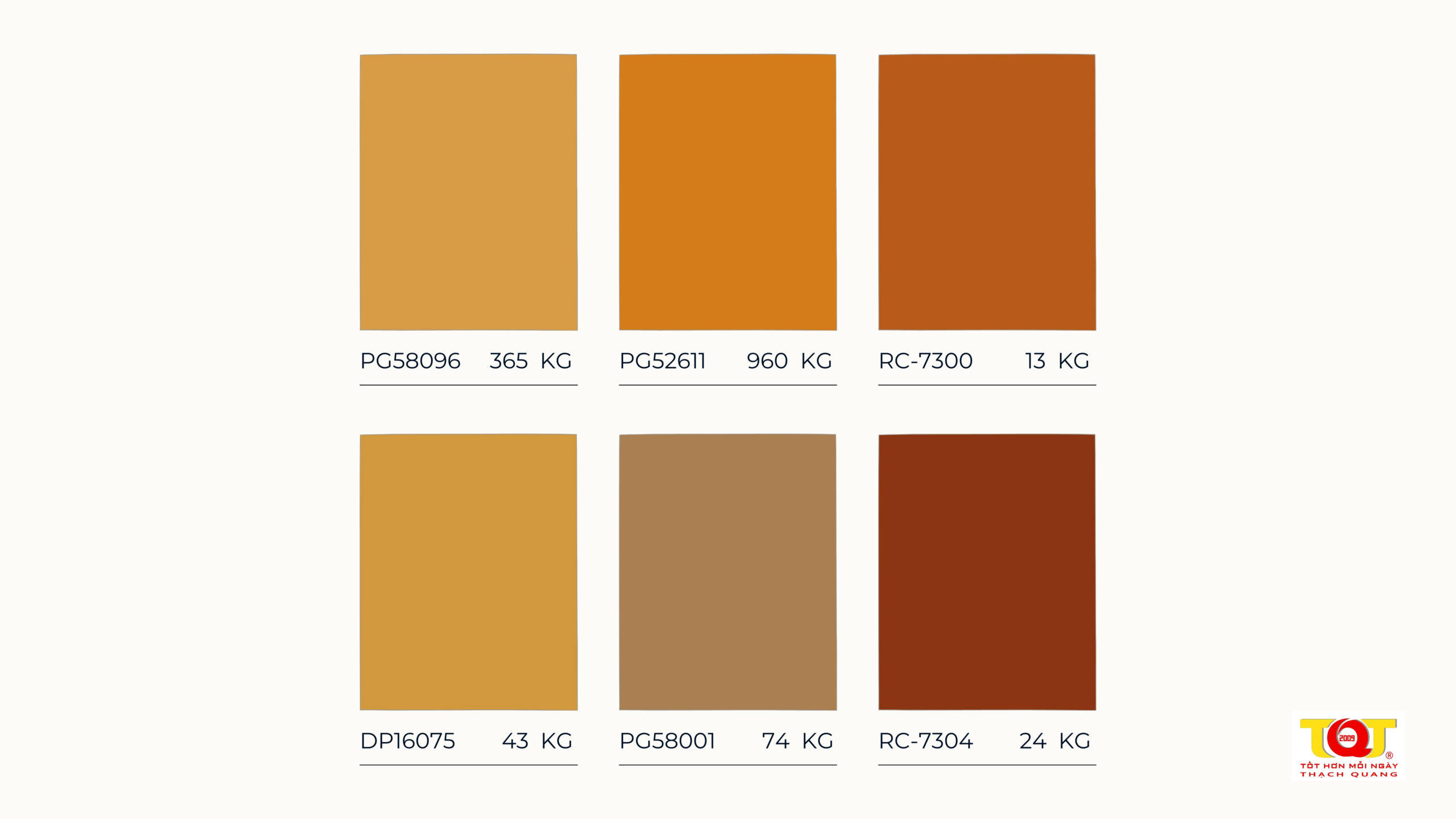
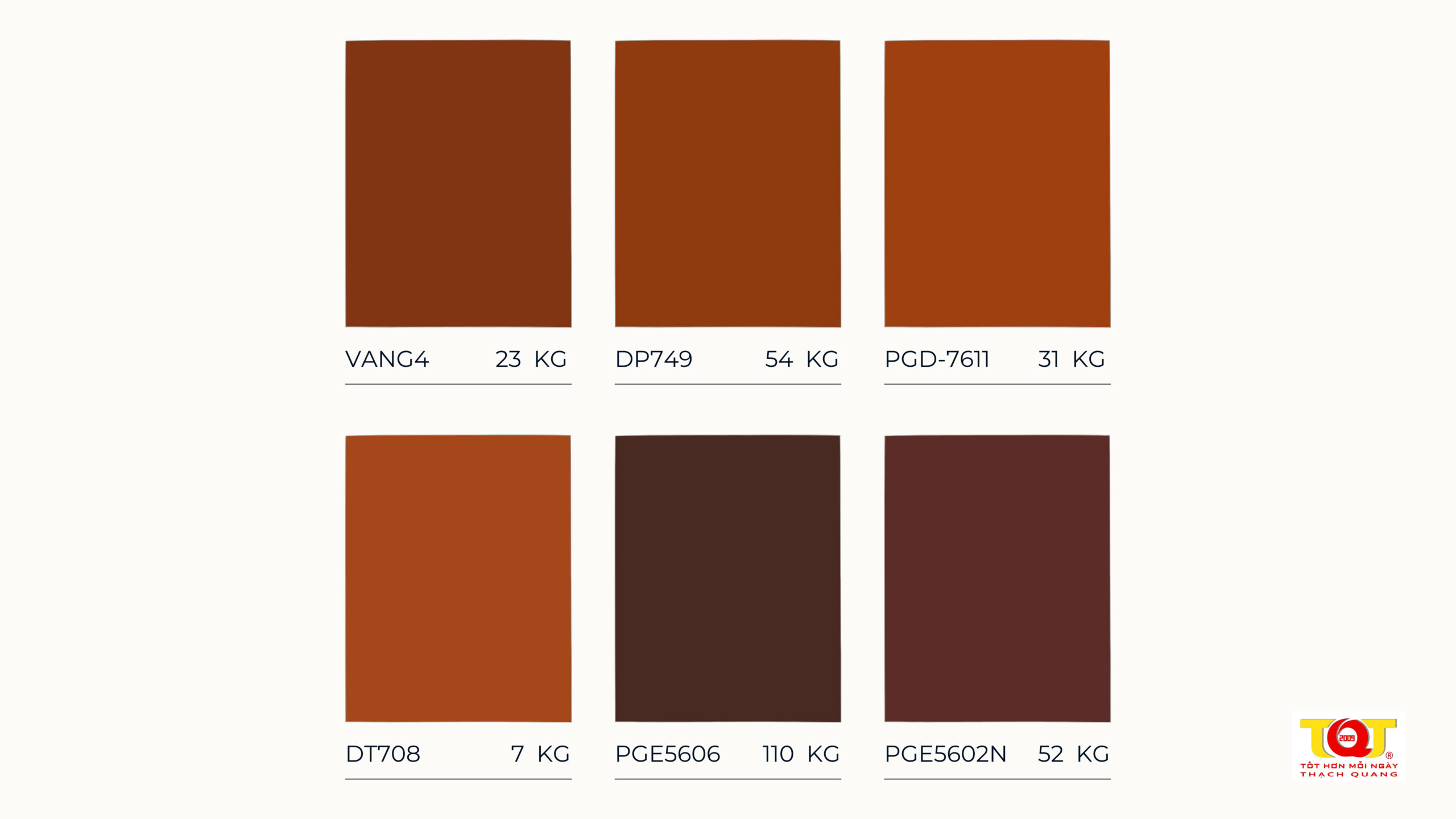
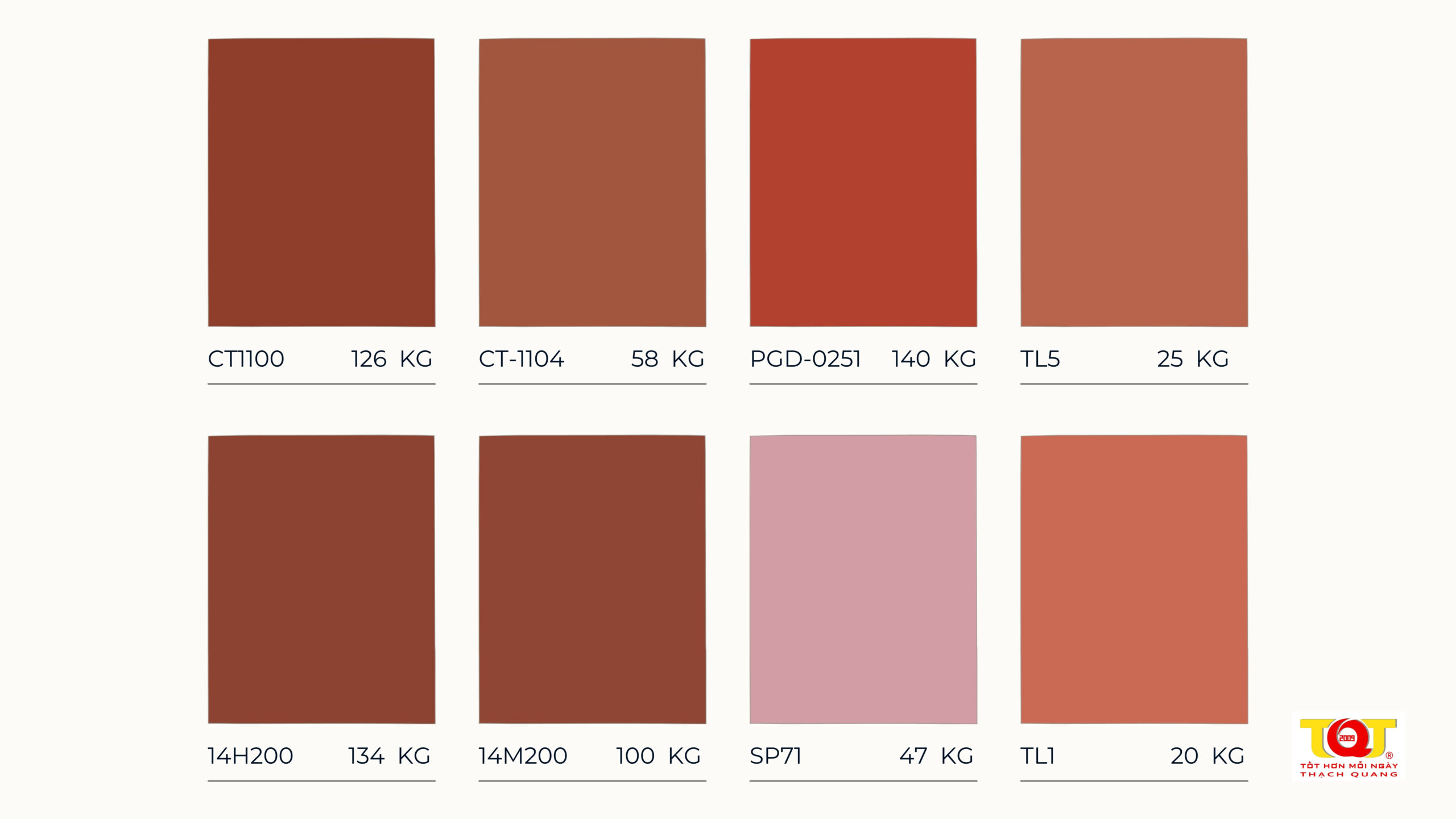
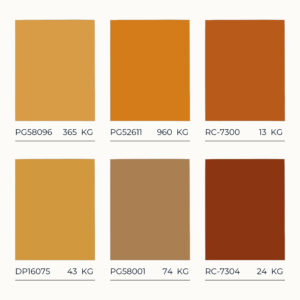
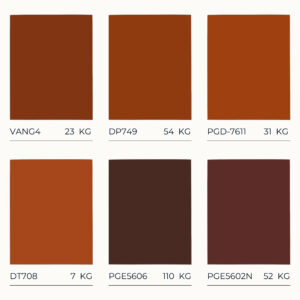
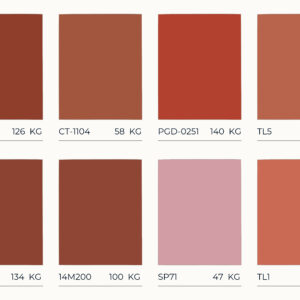
CERAMIC PIGMENTS (COLOR GLAZES)
Introduction:
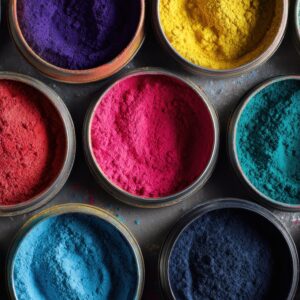
Ceramic pigments are inorganic, heat-resistant coloring compounds, typically metal oxides or synthetic pigments based on a spinel structure. Unlike organic colorants, ceramic pigments must retain stable color at very high firing temperatures (≥ 1000 °C) and interact well with the chemical composition of the glaze (the glassy layer).
1. Classification and Composition
Pigments are classified according to the main metal oxide responsible for the color (chromophore):
|
Main Color |
Coloring Oxide/Compound |
Formula (Reference) |
|
Blue |
Cobalt Oxide |
CoO, Co₃O₄ (traditional cobalt blue) |
|
Green |
Chromium Oxide |
Cr₂O₃ |
|
Yellow/Brown |
Iron(III) Oxide, Vanadium Oxide, Titanium Oxide |
Fe₂O₃, V₂O₅, Sb₂O₃ |
|
Red/Red-Brown |
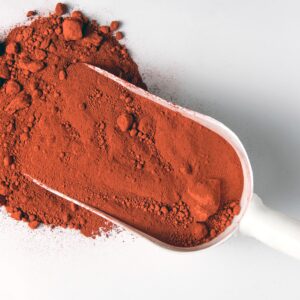
Iron(III) Oxide, Copper Oxide (reduction) |
Fe₂O₃, Cu₂O (copper red in reduction glazes) |
|
Opaque White |
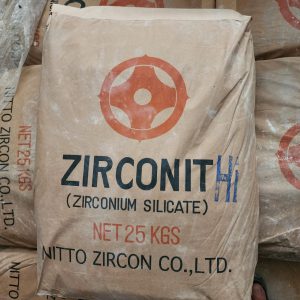
Zirconium Silicate, Tin Oxide |
ZrSiO₄, SnO₂ (opacifiers) |
|
Black/Gray |
Mixed Oxides (Cr-Co-Fe-Ni-Mn) |
Usually synthetic pigments based on spinel |
• Spinel Base: Many modern pigments (such as black, purple, green) are synthetic oxides in which the coloring ions are fixed within a spinel crystal lattice (e.g., CoAl₂O₄), providing superior color stability at high temperatures.
2. Technical Specifications
|
Parameter |
Characteristics |
|
Appearance |
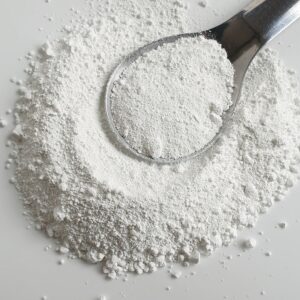
Fine, dry powder |
|
Thermal Stability |
Very high; no decomposition or fading at ≥ 1200 °C |
|
Opacity/Coverage |
Good (especially opacifiers and dark colors) |
|
Chemical Inertness |
Chemically stable; minimal reaction with molten glaze to avoid bubbles/glaze defects |
|
Typical Dosage |
Very low (e.g., cobalt oxide ≤ 1%) |
3. Applications in Industry and Ceramics
- Surface Glaze Coloring:
– Produces vibrant, durable colored glazes for ceramic tiles, sanitary ware, and household ceramics.
– Pigments can be applied as underglaze decoration (e.g., traditional cobalt blue) or mixed directly into the transparent glaze (overglaze). - Body Stains (Clay Body Coloring):
– Pigments are mixed directly into clay or batch materials to create a uniform colored ceramic body (e.g., porcelain tiles, colored stoneware bodies). - Aesthetic Effects:
– Iron Oxide (Fe₂O₃): Produces colors ranging from light yellow to dark brown in an oxidizing atmosphere, and jade green (celadon) in a reducing atmosphere (strongly influenced by its fluxing behavior).
– Copper Oxide (CuO): Produces blue/green in oxidation, but vivid copper red in reduction (highly sensitive). - Other Industries:
– Heat-resistant inorganic pigments are also used as colorants for high-temperature paints and coatings in metallurgical applications.




Reviews
There are no reviews yet.