

 Tiếng Việt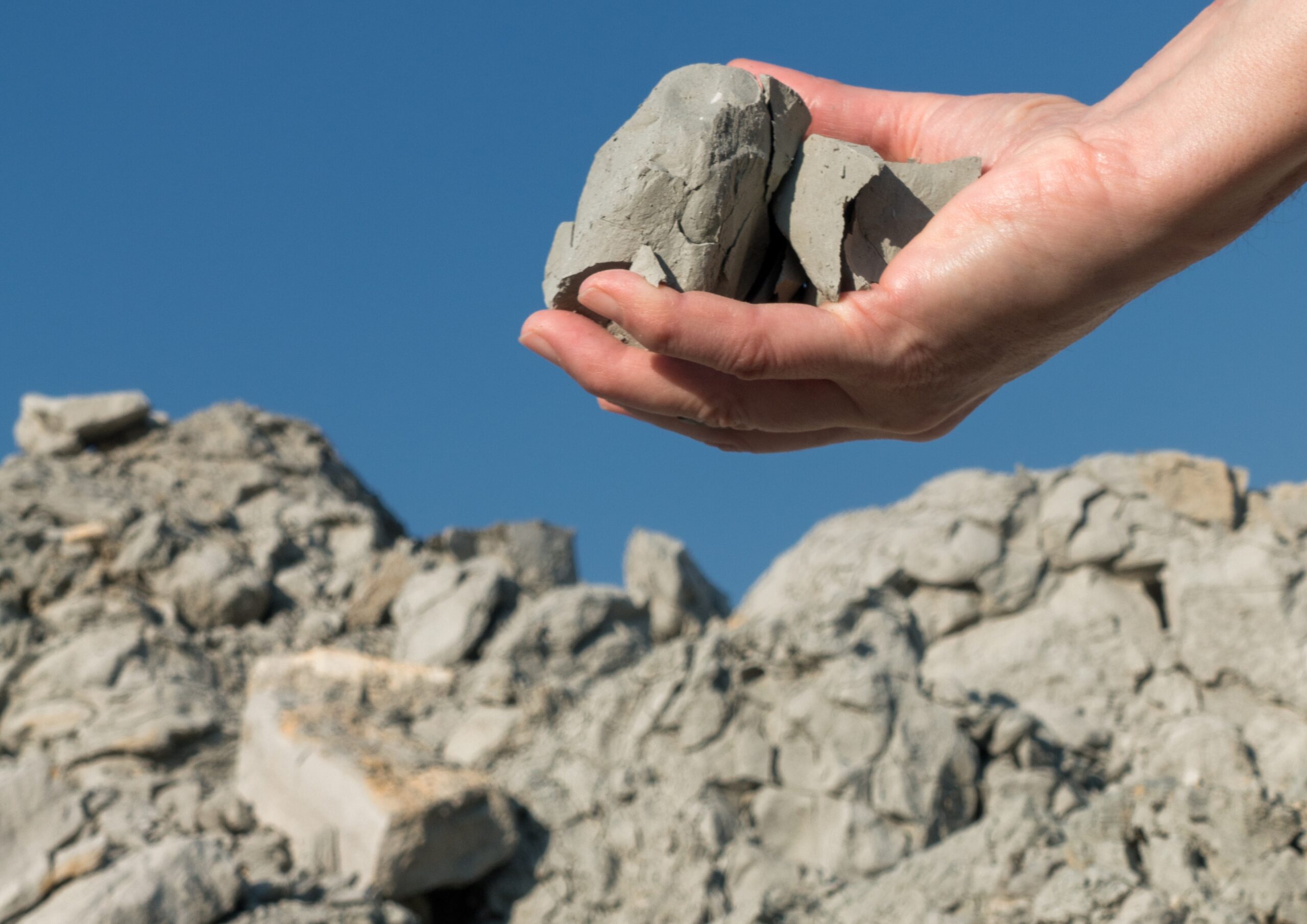
1. General Introduction
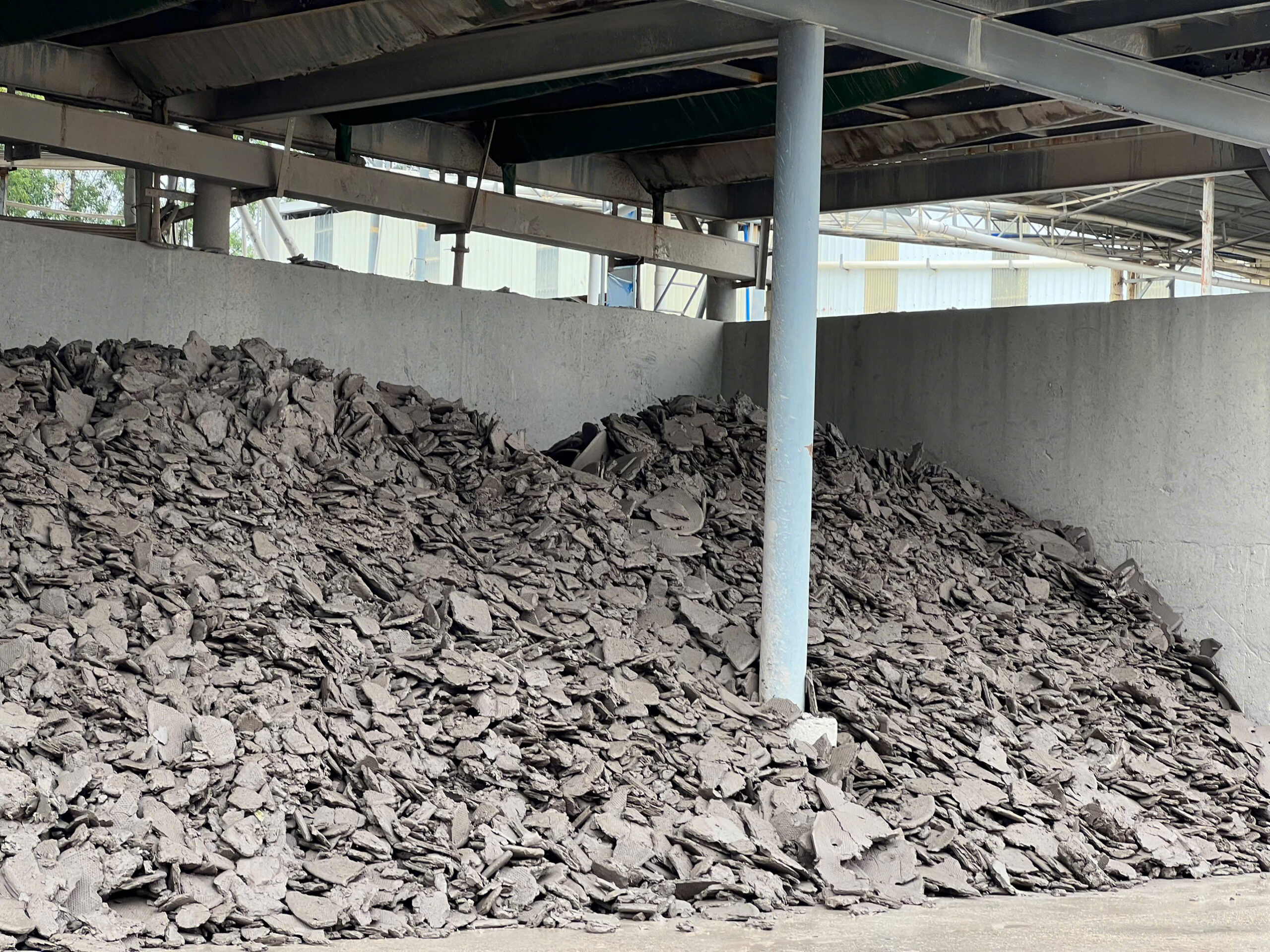
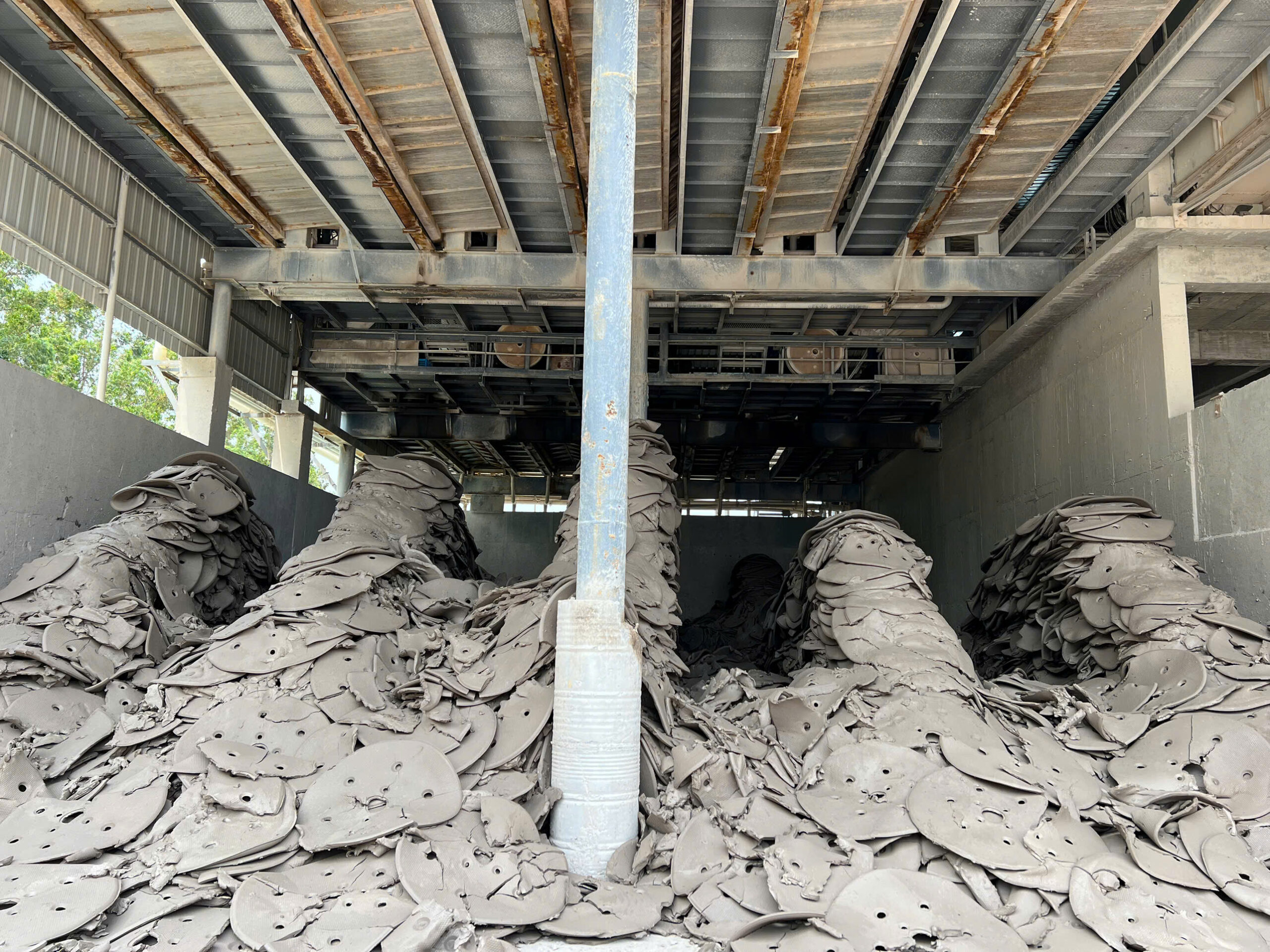
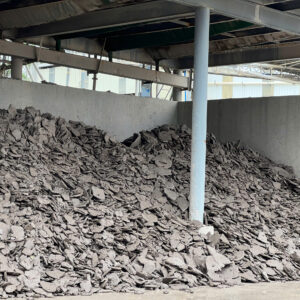
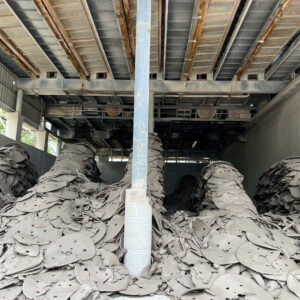
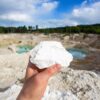
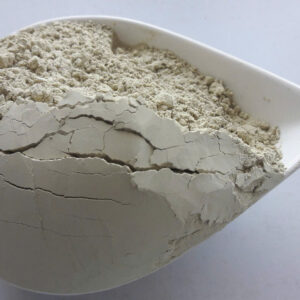
Filtered clay (Activated Clay / Bleaching Earth) is a group of natural silicate mineral materials with ultra-fine particle size (< 2 µm), layered (phyllosilicate) structure, and very high specific surface area.
Through the activation process (commonly acid activation), bleaching earth achieves strong adsorption capacity toward color pigments, organic impurities, free fatty acids, and polar compounds.
In ceramics and technical materials, certain types of filtered clay (especially Bentonite) are also used as plasticizing agents, binders, and suspension stabilizers, delivering significant effects even at low dosage.
2. Classification and Composition
2.1. Classification
- Activated Bleaching Earth (ABE)
- Acid-activated clay
- Very strong adsorption capacity for color pigments (chlorophyll, carotenoids) and organic impurities in oils and chemicals
- Main applications: oil refining, chemical processing, environmental treatment
- Natural Clay (Fuller’s Earth)
- Natural adsorption capacity without acid activation
- Typical mineral composition: Attapulgite / Palygorskite
- Bentonite (Filtering / Technical Grade)
- Raw or lightly activated Bentonite
- Applications: ceramics, drilling fluids, binding agents, suspension stabilization
2.2. Typical Chemical Composition
(Reference – Bentonite-based Activated Clay)
|
Parameter |
Unit |
Typical Value |
|
Silicon Dioxide (SiO₂) |
% |
45 – 60 |
|
Aluminum Oxide (Al₂O₃) |
% |
15 – 39 |
|
Iron Oxide (Fe₂O₃) |
% |
1 – 10 |
|
Moisture |
% |
≤ 15 |
|
Other oxides |
% |
CaO, MgO, K₂O, etc. |
3. Typical Technical Properties
|
Property |
Description |
|
Appearance |
Fine, dry powder |
|
Color |
Off-white – light gray – light brown |
|
Particle size |
Ultra-fine (typically < 75 µm) |
|
Specific surface area |
Very high: 200 – 400 m²/g (after activation) |
|
pH |
Slightly acidic (pH 3 – 5) |
|
Main characteristics |
Strong adsorption of color bodies, organic compounds, and fatty acids |
4. Applications in Industry & Ceramics
4.1. Applications in Ceramics
- Filtered clay is used as:
- Plasticizer for ceramic bodies
- Binder to improve green strength of unfired products
- Benefits:
- Improves plasticity and formability
- Reduces cracking during drying
- Stabilizes body formulation at low addition levels
Note: Dosage should be carefully controlled (typically ≤ 1–2%) to avoid excessive drying shrinkage.
4.2. Applications in Other Industries
- Oil & Chemical Refining
- Removal of color pigments and organic impurities from vegetable oils and mineral oils
- Drilling & Construction (Bored Piles)
- Key component in Bentonite drilling fluids
- Stabilizes borehole walls and prevents collapse



Reviews
There are no reviews yet.